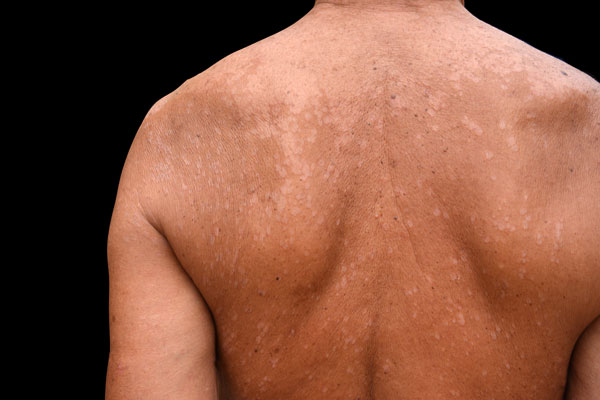
Tinea versicolor is a fungal infection of the skin. In other words, it is an infection caused by a fungus. It is fairly common and can affect people of all ages.
The fungus interferes with the normal pigmentation of the skin, resulting in the formation of small, depigmented patches. These patches may be lighter or darker in colour and most often appear on the patient’s trunk and shoulders. Seeking prompt medical care is vital for maintaining the health of your skin.
What is tinea versicolor?
Tinea versicolor is a fungal infection of the skin. The fungus that causes it belongs to the species Malassezia furfur. Interestingly, this fungus is considered part of the normal skin flora, specifically of the follicles.
Tinea versicolor usually presents as scaly plaques of an orange tinge, but it can also appear as hypopigmented plaques, often confusing it with vitiligo. The rashes are mainly observed during the summer months and the typical sites are the chest, the upper arms, the lateral surface of the thorax, the back, and often the scalp.
Why is seeking prompt medical care so important?
If a patient suspects that they may be suffering from tinea versicolor, it is very important to seek the opinion of a specialised dermatologist immediately. Especially with this particular infection, this is necessary because tinea versicolor must be differentiated from seborrheic dermatitis, vitiligo, pityriasis alba, and syphilis.
Skin conditions can vary in severity and may sometimes be a sign of underlying health issues. A dermatologist can accurately diagnose and provide appropriate treatment.
What are the types of tinea versicolor?
The rashes of tinea versicolor are what divide the infection into two main types:
Hypopigmented rashes: In this case, the patches are lighter than the patient’s skin colour.
Hyperpigmented rashes: In this case, the patches are darker than the surrounding skin.
What can cause tinea versicolor?
Tinea versicolor is mainly caused by the overgrowth of the fungus Malassezia furfur on the skin. Several factors can increase the risk of developing this condition, including:
Hot and humid weather: Such conditions create an ideal environment for the growth of the fungus.
Oily skin: Excessive sebum production can promote fungal growth.
Weakened immune system: Conditions such as HIV/AIDS or the use of immunosuppressive drugs can increase susceptibility.
Hormonal changes: Adolescents and pregnant women may be more prone to tinea versicolor due to hormonal changes.
What are the symptoms?
The most common symptoms of tinea versicolor include:
Small, round or oval patches on the skin.
Scaly plaques that may be accompanied by itching.
Lighter or darker discolouration of the affected skin.
Mild discomfort, especially in hot weather.
How is it diagnosed?
Diagnosis is, in most cases, relatively easy, as the clinical picture and the location of the disease are characteristic. In case of doubt, the fungus is easily detected by taking a scraping from the surface of the lesion and observing it under a microscope, in order to identify and confirm the presence of the fungus.
What treatment options are available?
Treatment, depending on the extent of the rash, can be systemic with the administration of ketoconazole capsules or topical with creams and shampoos.
Antifungal creams or lotions: Topical antifungal medications, such as ketoconazole or selenium sulphide, are often effective.
Oral antifungal medications: In severe or recurrent cases, oral antifungals such as fluconazole may be prescribed.
What does prevention involve?
Several actions can be taken to prevent the condition, especially if a person is predisposed to it or has had it in the past. These include:
Maintaining good skin hygiene, using antifungal soap if necessary.
Avoiding excessive sun exposure, as UV rays can worsen the condition.
Wearing loose-fitting clothes that “breathe”, especially during hot months.
Avoiding sharing personal items such as towels, razors, or clothes.
Keeping skin dry and clean, especially if you suffer from heavy sweating.
Conclusions
Tinea versicolor is a common skin condition that can be effectively managed with appropriate medical care, treatment, and proper preventive measures. Early detection of any recurrence or complications ensures timely management of the condition.
If you suspect you may have tinea versicolor or even if you have questions about your skin health, do not hesitate to schedule an appointment with a specialised dermatologist who will perform a thorough evaluation and, if necessary, devise a personalised treatment plan ideal for you. Your skin deserves the best care, and a specialised dermatologist can provide it.