
06/06/2025
Why does acne appear or worsen in summer?
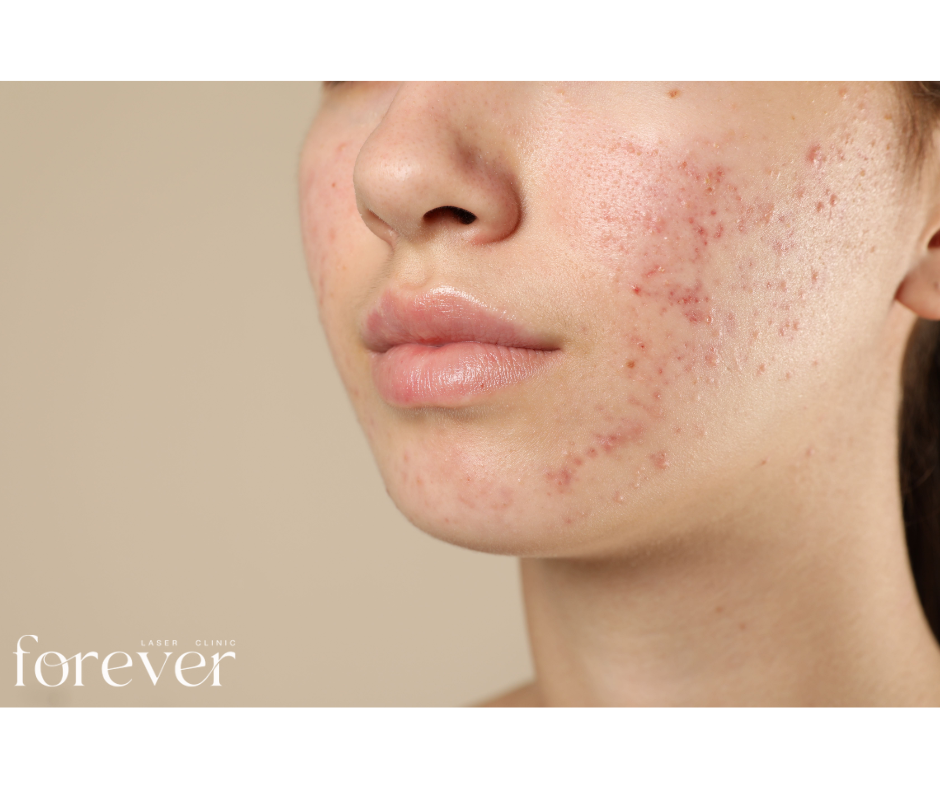
Summer acne is a very common problem that affects teenagers as well as adults. Although the sun initially seems to “dry out” pimples, the truth is that things often get worse a few weeks later.
High temperatures, increased sweating, and the use of sunscreens or make-up can clog pores, leading to acne flare-ups. At the same time, skin dehydration activates the sebaceous glands, which produce even more sebum.
The result? More pimples, blackheads, and oiliness, mainly on the face, back, and chest.
Factors that cause or worsen summer acne
Acne in summer is not caused only by heat. It is the result of a combination of factors that affect our skin during the warm months.
Sweat and sebum
Sweat mixes with sebum and dead cells, clogging the pores. Especially if we don’t clean our face properly after sweating, the chances of summer acne appearing increase significantly.
Sunscreens with oils
Sunscreens with an oily texture or that are unsuitable for acne-prone skin can worsen the condition. Prefer oil-free, non-comedogenic products that don’t clog the pores.
Make-up and heavy creams
Heavy foundations, especially in hot conditions, “suffocate” the skin. Choose light, non-comedogenic make-up products or, even better, let your skin breathe.
Dehydration
When the skin loses moisture, it reacts by producing more sebum. This vicious cycle leads to oily but dehydrated skin — a combination that favours acne.
Sea and pool
Salt and chlorine may temporarily improve the appearance of the skin, but excessive exposure irritates and dries it, resulting in new breakouts a few days later.
Daily care routine for clear skin in summer
A proper care routine is the “key” to preventing or controlling summer acne.
Cleansing
- Cleanse your face morning and night with a gentle, foaming cleanser for oily or combination skin.
- Avoid very aggressive soaps that disrupt the skin’s natural balance.
- If you sweat intensely during the day (e.g., after exercise), rinse your face with water or use micellar water.
Hydration
Don’t skip hydration! Choose a light, oil-free moisturiser with hyaluronic acid or niacinamide — ingredients that retain moisture without weighing down the skin.
Sun protection
Daily use of sunscreen is essential. Prefer a sunscreen specially formulated for acne-prone skin, with a matte finish and SPF 30 or 50. Reapply every 2–3 hours, especially if you sweat or are at the sea.
Exfoliation
Once or twice a week, do a gentle exfoliation with a product containing salicylic acid (BHA). This removes dead cells and reduces pore clogging.
Diet and habits
- Drink plenty of water.
- Avoid excessive consumption of sugar and dairy.
- Reduce stress and ensure you get enough sleep.
What treatments are suitable in summer
Not all acne treatments are suitable in summer, as the sun can cause irritation or hyperpigmentation. However, there are safe and effective options that your dermatologist may recommend.
Topical treatments
Creams or gels with azelaic acid, salicylic acid, or niacinamide can be used safely, provided they are combined with sunscreen.
Laser or LED therapies
Phototherapy with blue light (Blue LED) reduces inflammation and acne bacteria without causing photosensitivity. It is an ideal choice for the summer months.
Facial cleansing
Medical cleansing helps remove sebum and blackheads, improving the texture and glow of the skin.
Treatments to avoid
During summer, it is best to avoid treatments such as:
- Chemical peels with high-concentration AHA/BHA.
- Strong retinoids.
- Laser resurfacing.
These treatments can cause photosensitivity and irritation after sun exposure.
When you need to visit a dermatologist
If summer acne does not subside with proper care or if you notice inflammatory pimples and cysts, then it is time to consult a dermatologist.
The specialist may recommend personalised solutions, such as:
- Combined treatments with medications and topical products.
- Professional cleansing treatments.
- A personal skincare routine based on your skin type.
Early management prevents the scarring and permanent discolouration that acne can leave behind.
Conclusion
Summer acne can be bothersome, but with the right care, you can manage it effectively. Choose products with light formulations, ensure good hydration and cleansing, and don’t hesitate to ask for the help of a specialist if symptoms persist.
Call us today
If you are dealing with summer acne, our dermatologist can guide you with personalised treatments that are safe and effective even in summer.