
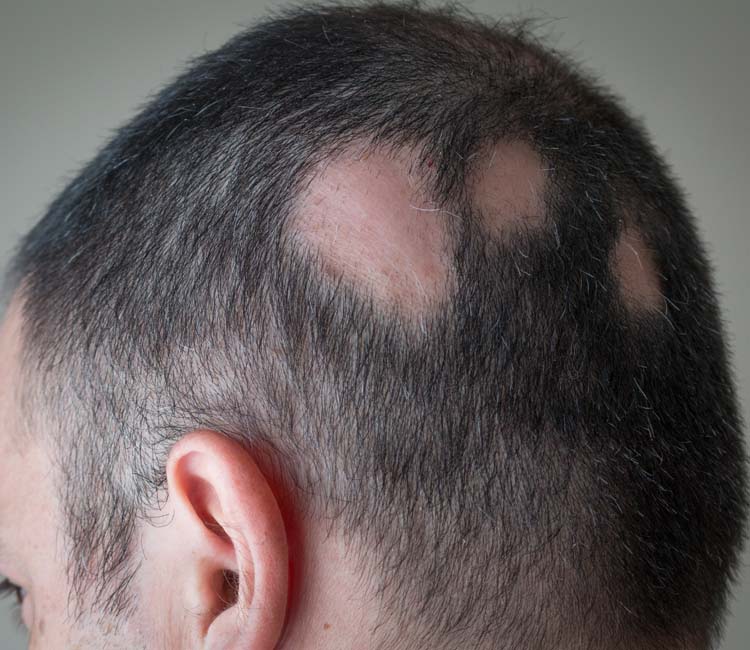
Alopecia areata is one of the biggest nightmares for both men and women, since its main symptom is hair loss. Alopecia areata is an autoimmune condition that affects hair follicles, leading to hair loss.
In this disorder, the body’s immune system mistakenly attacks its own hair follicles, causing them to shrink and impair hair growth. This results in sudden and often unpredictable hair loss, which can occur on the scalp, eyebrows, eyelashes, or other parts of the body.
It is essential to schedule an appointment with a specialised dermatologist if you notice symptoms resembling alopecia areata, so that you receive prompt medical care.
What is alopecia areata?
Alopecia areata is characterised by rapid and total hair loss in one or more areas. These areas are typically located on the scalp, in the beard area, on the eyebrows, and on the eyelashes. More rarely, alopecia areata may affect other hair-bearing parts of the body.
Alopecia totalis is characterised by complete hair loss on the scalp, while alopecia universalis is characterised by complete hair loss across the entire body. In approximately 10% of patients with persistent forms, nail changes are also observed.
Alopecia areata is an autoimmune disease, with affected patients showing a higher incidence of atopic dermatitis, lichen planus, thyroiditis, and lupus erythematosus. However, most cases of alopecia areata occur without any associated condition. The natural course of hair loss varies greatly. In some cases, hair regrowth may occur within a few weeks without treatment.
What causes alopecia areata?
The exact causes of alopecia areata are not entirely clear. However, several factors are believed to contribute to its development. These factors may include:
- Heredity: Individuals with a family history of the condition are at greater risk of developing alopecia areata at some point in their lives. This suggests that certain genetic factors may predispose some people to this autoimmune disorder.
- Hormonal disorders: Hormones play a key role in regulating various bodily functions, including hair growth. Disorders in hormones, such as thyroid hormones, can contribute to the development of alopecia areata. Stress, which can disrupt hormonal balance, can also trigger or worsen the condition.
- Environmental factors: Environmental factors may trigger or worsen alopecia areata in susceptible individuals. These factors may include viral infections, exposure to toxins, or even trauma to hair follicles. It is important to note that, while these factors may be the trigger, the underlying cause remains autoimmune.
What are the symptoms of alopecia areata?
Alopecia areata presents various symptoms, which vary in severity depending on each case. The most common symptoms are:
Hair loss in a circular or oval shape
The hallmark symptom of alopecia areata is the sudden appearance of round or oval-shaped patches of hair loss on the scalp or in other areas of the body. These spots can be small or large and may merge over time.
Itching or pain on the scalp
Some individuals with alopecia areata experience itching or discomfort in the affected areas of the scalp. This can be bothersome and may precede hair loss.
Thinning of hair in affected areas
In some cases, instead of complete hair loss in specific spots, individuals with alopecia areata may experience thinning of hair in the affected areas. This can make the condition less noticeable but still affects a patient’s psychological well-being.
How is alopecia areata diagnosed?
Early diagnosis and prompt treatment are essential for the effective management of alopecia areata. Dermatologists use various methods to diagnose the condition, and the therapeutic approach depends on the extent and severity of hair loss. The following actions are taken to diagnose the condition:
Clinical examination by a dermatologist: A dermatologist will perform a thorough examination of the affected areas, looking for the characteristic signs of alopecia areata, such as round or oval bald spots.
Biopsy to confirm the diagnosis: In some cases, a skin biopsy may be performed to confirm the diagnosis. A small sample of skin from the affected area is examined under a microscope to check for specific changes associated with alopecia areata.
What is the treatment for alopecia areata?
There are several treatment options, which depend mainly on the type of alopecia areata — whether it is patchy, extensive, total, universal, or diffuse — as well as on the severity of hair loss.
Topical treatments include the application of corticosteroids, irritants, minoxidil, and allergens. Systemic treatments include the administration of corticosteroids, PUVA therapy, and the administration of zinc sulphate.
Surgical hair transplantation is indicated in severe cases, where hair loss is extensive, and other treatments are not effective. This involves removing hair follicles from one area of the body and implanting them in the affected areas.
Phototherapy is another popular option. The procedure is non-invasive and absolutely safe. Light-based therapies (PUVA) can be used to target the immune response in the affected areas and promote hair regrowth.
What does prevention involve?
While it is not always possible to prevent the onset of alopecia areata, certain actions can help manage the condition and reduce the risk of further hair loss:
Avoiding hairstyles and practices that are damaging to the hair
Avoid tight hairstyles, chemical treatments, and excessive heat styling, as these can damage the hair and worsen hair loss. Gentle hair care practices are essential for individuals with alopecia areata.
Maintaining a balanced diet and a healthy lifestyle
A balanced diet rich in vitamins and minerals, particularly those important for hair health, such as biotin and zinc, can boost overall well-being and potentially promote hair growth. Additionally, managing stress through relaxation techniques can help reduce flare-ups.
Regular check-ups with a dermatologist
Regular follow-up appointments with a dermatologist are essential to monitor the progression of the condition and adjust the treatment plan as needed. Dermatologists can provide guidance on managing symptoms and optimising treatment outcomes.
Conclusions
Alopecia areata is an autoimmune disorder. While its exact causes remain unclear, genetic factors, hormonal imbalances, psychological factors, and environmental factors are believed to contribute to its onset. Recognising the symptoms, seeking early diagnosis and treatment, and adopting preventive measures can help individuals with this condition effectively manage hair loss and improve their quality of life.
If you suspect you may have alopecia areata, it is essential to consult a dermatologist for a comprehensive evaluation and personalised treatment plan.