
Lichen planus is a chronic inflammatory condition that can affect the skin, hair, nails, mouth, and genitals. Lichen planus can appear in people of any age and is considered an autoimmune disorder. Lichen planus is not contagious and cannot be transmitted through physical contact.
What is lichen planus?
It is an inflammatory disease of the skin, mucous membranes, and hair follicles. Those most affected by the disease are individuals between the ages of 30 and 60, with a higher incidence in women.
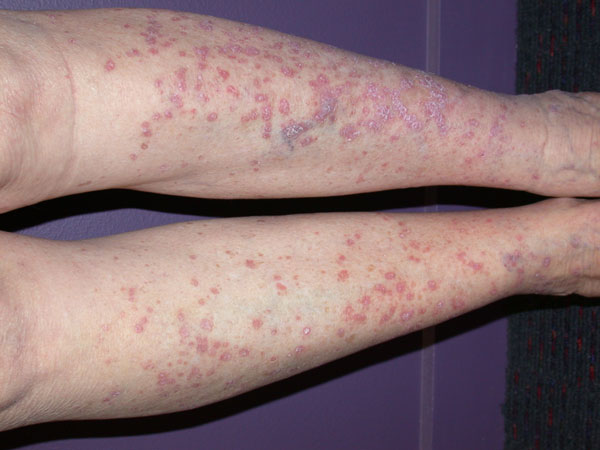
The classic presentation is characterised by reddish-purple, polygonal papules with intense itching. The surface of the lesions is dry, covered by sparse scales, and bears fine white lines — the so-called “Wickham striae”. The most common skin sites are the flexural surfaces of the wrists, the inner thighs, the shins, the trunk, and the glans.
This skin disease can also be located on the scalp and cause loss of hair follicles in the affected area, which is unfortunately irreversible. Furthermore, 40–60% of patients with cutaneous lichen planus may also present with lesions on the oral mucosa. Finally, in many patients, nail changes may occur, with the most characteristic finding being pterygium formation due to destruction of the nail matrix.
Finally, in some patients, lichen planus can present the “Koebner phenomenon”. This phenomenon is characterised by the appearance of lichen planus lesions in areas where a previous injury has occurred.
What are the causes of lichen planus?
The exact cause of lichen planus remains unclear, but several factors may contribute to its development, including:
- Autoimmune reaction: Lichen planus is considered to be an autoimmune disorder, in which the body’s immune system mistakenly attacks healthy skin cells.
- Genetics: Some individuals may have a genetic predisposition to lichen planus.
- Stress: Stress has been associated with the onset or exacerbation of lichen planus in some cases.
Certain factors may increase the risk of developing lichen planus, such as:
- Age and sex: Lichen planus is more common in adults and is slightly more prevalent in women.
- Family history: A family history of lichen planus may increase the risk of developing the disease.
- Other medical conditions: Lichen planus has been linked with other autoimmune diseases such as thyroid disorders and hepatitis C.
While the exact causes of lichen planus may remain unclear, understanding the possible contributing factors can help individuals make lifestyle adjustments and seek appropriate medical care.
What are the symptoms of lichen planus?
Lichen planus is a relatively uncommon disease, affecting roughly 1–2% of the population. However, its incidence is higher in certain age groups and populations. Women, for instance, are more frequently affected than men, and the condition typically appears in adults over the age of 40.
Lichen planus presents with a variety of symptoms, the most common being:
- Skin itching: The hallmark of lichen planus is intense itching, which can significantly affect a patient’s quality of life.
- Skin lesions: Flat-topped, purple or reddish-brown bumps or papules often appear on the wrists, arms, ankles, and lower back.
- Mucous membrane involvement: In some cases, lichen planus may affect the mucous membranes of the mouth, genitals, and oesophagus, leading to painful sores and discomfort.
The importance of seeking prompt medical care
Early diagnosis and treatment are crucial when someone develops lichen planus. This condition can be uncomfortable and, in some cases, may lead to complications if left untreated. Seeking medical assistance from a dermatologist is essential to obtain proper guidance, diagnosis, and personalised treatment plans.
How is lichen planus diagnosed?
The diagnosis of lichen planus is relatively straightforward and is mainly made through clinical examination of the patient, as the clinical picture is very characteristic. In more unusual cases, a skin biopsy is performed to confirm the diagnosis. Thus, a small sample of the affected skin is examined under a microscope. Finally, dermoscopy — a non-invasive technique — allows dermatologists to examine skin lesions at high magnification with specialised lighting.
It is worth noting that there is a fairly strong association between lichen planus and hepatitis C, which is why all patients should undergo blood testing to rule out hepatitis C. Accurate diagnosis is essential for effective treatment. Many skin conditions can mimic lichen planus, so the patient needs to consult a specialised dermatologist who can differentiate between them and provide the appropriate treatment.
What does treatment for lichen planus include?
Treatment for lichen planus aims to relieve symptoms and prevent complications. Depending on the severity and location of the disease, treatment options may vary.
Strong topical corticosteroids form the cornerstone of treatment for lichen planus, mainly in cases where lesions are limited. Systemic steroids are used mostly in more severe cases with involvement of the mouth as well as generalised lesions on the trunk, while antihistamines are given to combat itching.
Each patient’s experience with lichen planus is unique, and treatment plans should be tailored to their specific needs and circumstances. Close cooperation with a dermatologist ensures the selection of the most appropriate therapies.
Strategies for managing symptoms and preventing flare-ups
In addition to medical treatment, patients can take preventive measures to manage their condition:
- Proper skincare: Gentle skincare practices such as moisturising and avoiding harsh soaps can help minimise irritation.
- Stress management: Stress-reduction techniques may help prevent flare-ups.
- Oral hygiene: Patients with oral lichen planus should maintain good oral hygiene.
Conclusions
Lichen planus is a treatable condition. Early diagnosis and treatment are of paramount importance for achieving the best results and preventing complications.
Patients should not hesitate to seek care from a dermatologist who can provide personalised treatment plans and understand the unique challenges faced by individuals with different skin types. With the right care and guidance, individuals living with lichen planus can effectively manage their condition and improve their quality of life.